

Small Decencies


Boutique FM
Fully Engaged
Brilliant Basics
Great Experiences
FM Technology
Great People
Advocacy
Right size, Right fit
Promises Delivered

 Building & Fabric Maintenance
Expert Mechanical and Electrical Services and Maintenance for Corporate Offices
Reception & Front Of House
Logistics & Office Services
Security
Catering
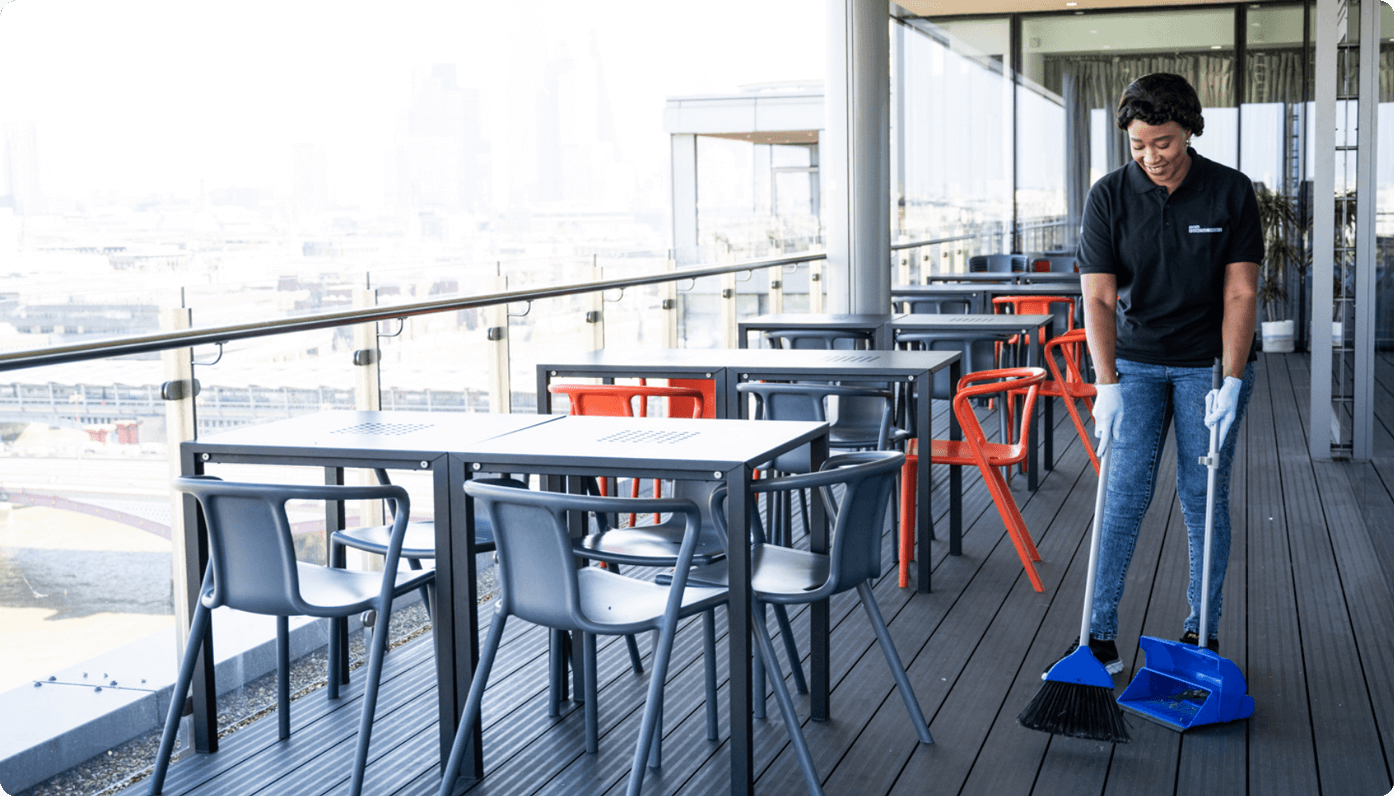
Cleaning & Environmental
Building & Fabric Maintenance
Expert Mechanical and Electrical Services and Maintenance for Corporate Offices
Reception & Front Of House
Logistics & Office Services
Security
Catering
Cleaning & Environmental
Financial Services
Professional Services
Media & Communications
Consumer Services
Science & Pharmaceutical
Technology

 Building & Fabric Maintenance
Expert Mechanical and Electrical Services and Maintenance for Corporate Offices
Reception & Front Of House
Logistics & Office Services
Security
Catering
Cleaning & Environmental
Building & Fabric Maintenance
Expert Mechanical and Electrical Services and Maintenance for Corporate Offices
Reception & Front Of House
Logistics & Office Services
Security
Catering
Cleaning & Environmental
Financial Services
Professional Services
Media & Communications
Consumer Services
Science & Pharmaceutical
Technology
Small Decencies
Boutique FM
Fully Engaged
Brilliant Basics
Great Experiences
FM Technology
Great People
Advocacy
Right size, Right fit
Promises Delivered
What employees want from their office in 2026
May 25, 2026
The role of the office has changed significantly in recent years. Across UK corporate workplaces, particularly in London and the South East, organisations are rethinking what employees want from their office and how it supports the working day.
As hybrid working has matured, expectations have become clearer. Employees are no longer asking whether they should come into the office, but whether it adds real value when they do.
So, what do employees want from their office in 2026?
1. Purposeful Presence: The Why of the Office
The biggest shift in workplace trends for 2026 we’re seeing across UK offices is the move away from mandated attendance toward purposeful use of space.
In many London HQ environments, mid-week occupancy is significantly higher than Mondays or Fridays, with employees choosing office days based on collaboration needs rather than obligations.
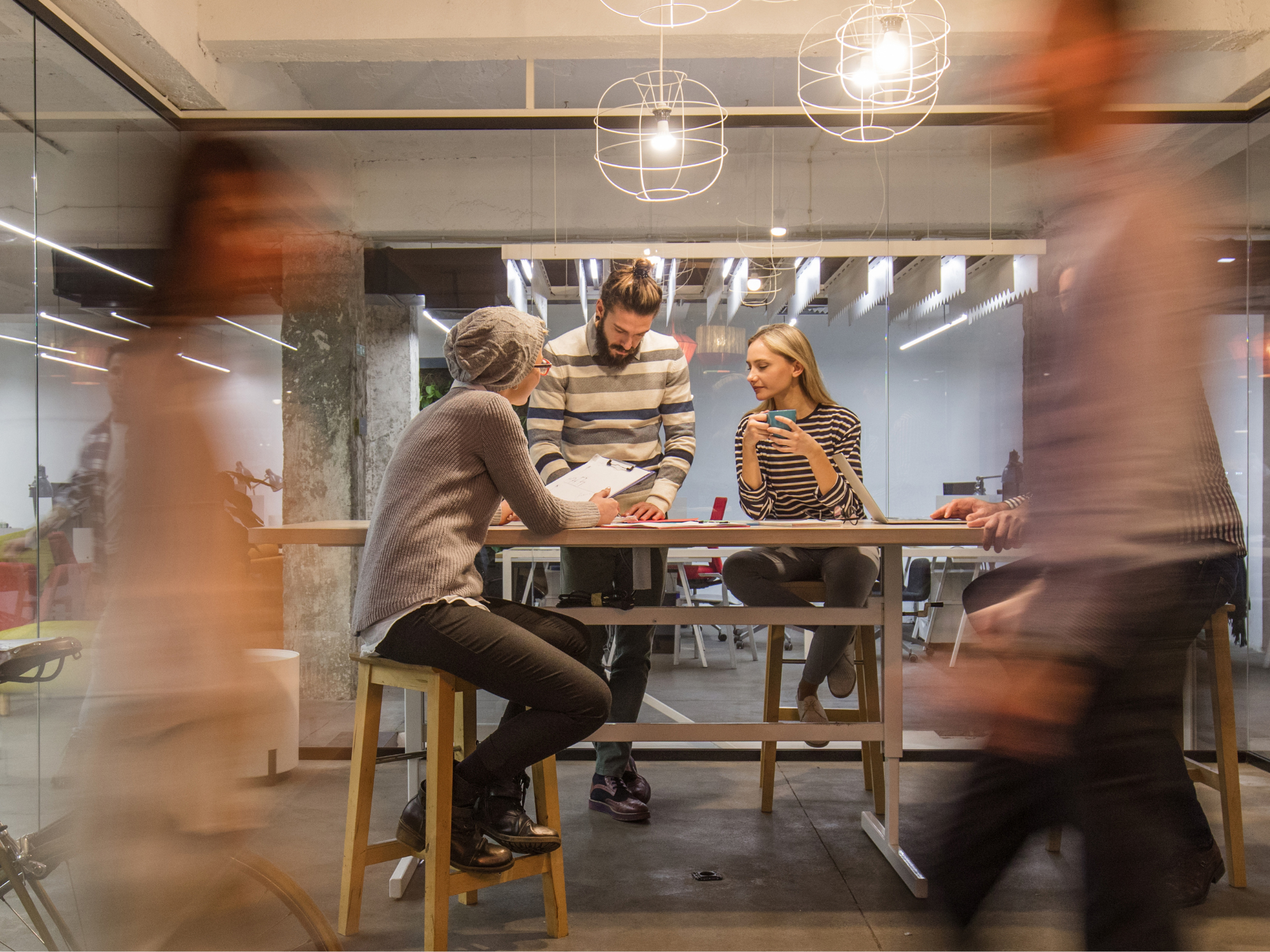
Employees are increasingly clear on why they come into the office, and they no longer want to commute simply to sit on video calls all day. When they come in, they want an environment that facilitates what they cannot do at home: deep collaboration, spontaneous innovation, and social connection.
What kind of offices do employees want? They want flexible, multi-use office spaces that adapt throughout the day. Across large corporate offices, we are seeing increased demand for:
- Collaborative project spaces
- Informal breakout environments
- Quiet focus zones
Within the UK market, there is a clear shift toward activity-based settings where the floorplate is divided into distinct sensory zones. This ensures that whether a team needs to brainstorm or an individual requires deep focus, the office supports that activity effectively. Learn more about how we support these transitions in our guide to office relocation and facilities management.
2. Frictionless Technology and Invisible FM
In 2026, technology is a baseline expectation in the workplace. However, employees are tired of tech clutter. They want a seamless experience where the building works around them. This is where high-quality Facilities Management (FM) plays a critical operational role in the workplace.
We are seeing increasing adoption of data-driven building management systems, including IoT-enabled monitoring of lighting, air quality, or space usage. These systems support more responsive and efficient workplaces, particularly in high-density corporate environments.
Facilities Management is the engine room of the modern employee experience. When FM is delivered well, it is largely invisible. The building feels intuitive, removing the friction of the workday so staff can focus on their best work.
In the UK specifically, the integration of AI within FM is now a standard expectation. Employees expect the workplace to learn their preferences, with HVAC systems that ramp up on busy mid-week peak days and scale back on quieter Fridays, ensuring both comfort and corporate sustainability goals are met without manual intervention.
3. The Human First Hospitality Feel
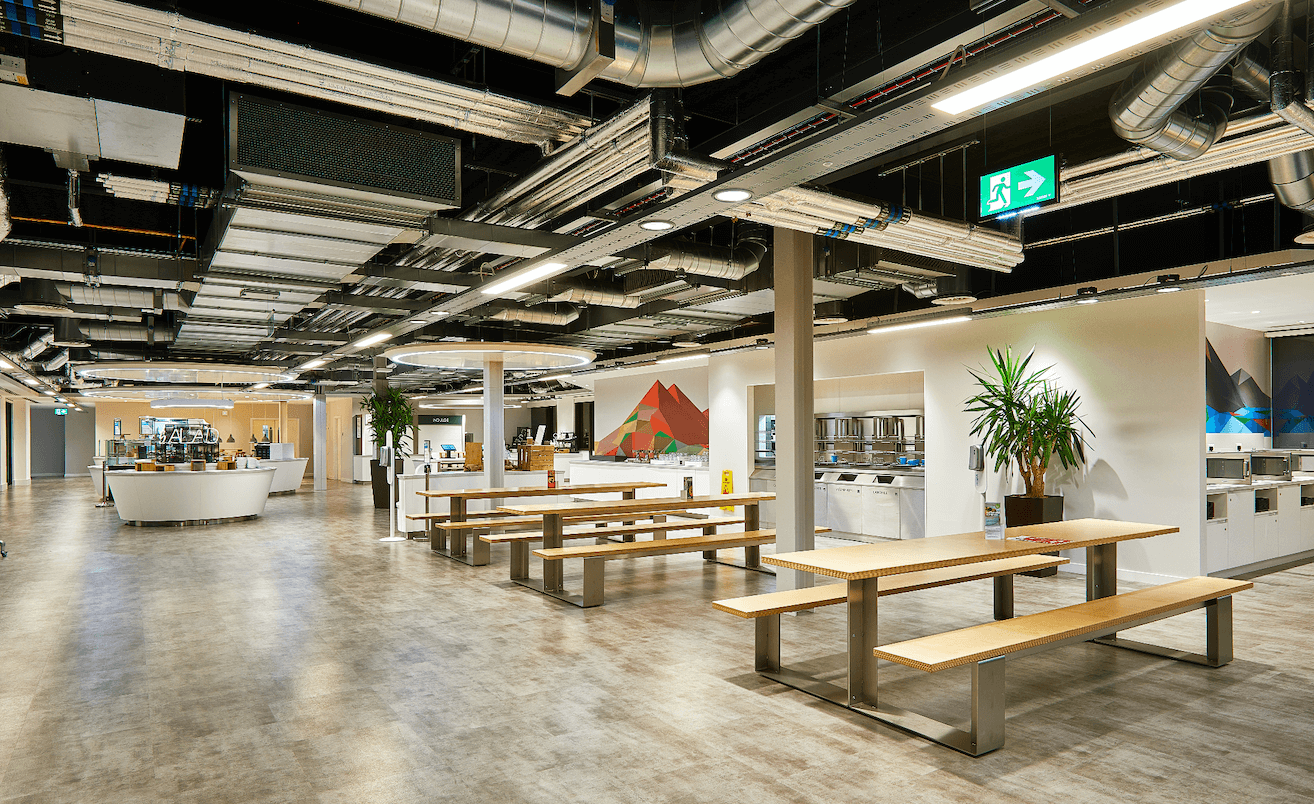
The most successful offices in 2026 feel less like corporate hubs and more like high-end hospitality spaces. This is particularly evident in reception areas, shared spaces, and client-facing environments across major business districts in central London. Employees are looking for Brilliant Basics: the spotless environments, functioning AV, and welcoming front-of-house teams that Anabas prides itself on.
But they also want more than just a functional space. They increasingly value wellness integrated into the fabric of the building, from meditation nooks to premium coffee offerings and community-led events that make the commute feel worth it. We are seeing a rise in roles like Workplace Experience Managers who bridge the gap between traditional operations and community building.
At Anabas, this reflects a wider shift towards integrated workplace experience management. Service delivery is designed not only to maintain buildings, but to actively support how people experience them. This human-centric approach to Facilities Management ensures that the office stays a vibrant, social destination rather than just a place of utility.
4. Autonomy and Personalisation
Finally, what employees want from the office is a sense of agency. Staff want to feel that their environment is curated for them, not just managed. Choice is central to this, from how and where they work, to the quality of the environment and the responsiveness of the services that support them.
From personalised climate controls to FM teams who know their names and anticipate their needs, the human element of Facilities Management is what transforms a building from a place of work into a community. In the current UK landscape, providing comfort and control has become one of the most powerful trust signals a business can send to its people.
The Bottom Line
The office of 2026 is not a fixed location; it is an experience. By focusing on what employees truly value, such as connection, wellness, and a frictionless environment, businesses can create a workplace that does not just house a workforce but actively inspires one.
Delivering this consistently requires more than design or technology alone. It requires an integrated facilities management approach that connects people, place and operational performance.
For those leading the way, a strategic partnership with a specialist FM provider is the key to turning these trends into a daily reality. At Anabas, we specialise in managing corporate workplaces where these elements work together seamlessly. If you are reviewing your workplace strategy, please get in touch with our expert team today and we can help you create environments that enhance the employee experience.

Home
The Anabas Difference
Our Sectors
Careers
Meet The Team
News
White Papers
London Facilities Management
Gender Pay Gap Report
ESG Report
Modern Slavery Statement
Modern Slavery Policy
Privacy Policy
Cookie Policy
Accessibility
ISMS Policy
Terms & Conditions



38 Wigmore Street
London
W1U 2RU
Registered Number: 04669732
