

Small Decencies


Boutique FM
Fully Engaged
Brilliant Basics
Great Experiences
FM Technology
Great People
Advocacy
Right size, Right fit
Promises Delivered

 Building & Fabric Maintenance
Expert Mechanical and Electrical Services and Maintenance for Corporate Offices
Reception & Front Of House
Logistics & Office Services
Security
Catering
Cleaning & Environmental
Financial Services
Professional Services
Media & Communications
Consumer Services
Science & Pharmaceutical
Technology


 Building & Fabric Maintenance
Expert Mechanical and Electrical Services and Maintenance for Corporate Offices
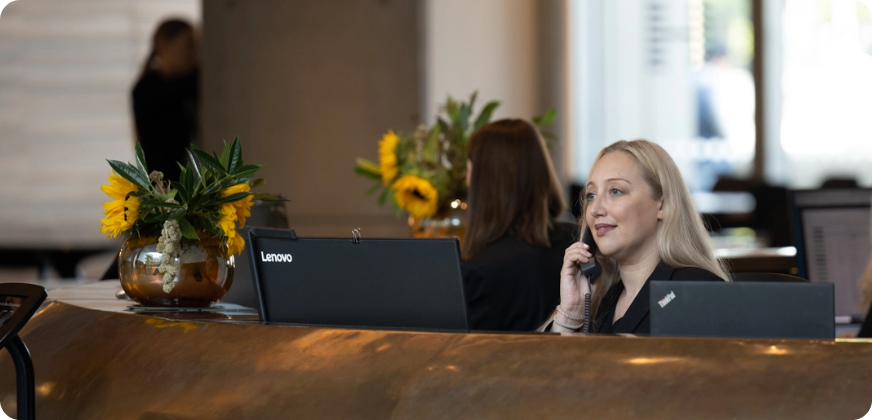
Reception & Front Of House
Logistics & Office Services
Security
Catering
Cleaning & Environmental
Financial Services
Professional Services
Media & Communications
Consumer Services
Science & Pharmaceutical
Technology
Small Decencies
Boutique FM
Fully Engaged
Brilliant Basics
Great Experiences
FM Technology
Great People
Advocacy
Right size, Right fit
Promises Delivered
Office Productivity: What Helps Employees Perform at Their Best?
November 18, 2026
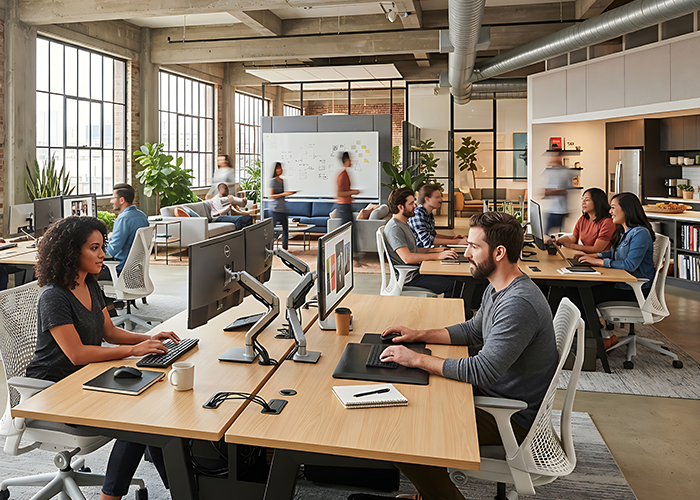
Office productivity is often discussed in terms of technology, processes and employee performance. Whilst these factors certainly matter, organisations can sometimes overlook one of the biggest influences on productivity: the workplace itself.
The environment employees work in every day can have a significant impact on how effectively they collaborate, stay focused and complete tasks. From workplace design and facilities management to technology and support services, productivity is shaped by far more than individual effort alone.
For employers, understanding these influences is an important step towards creating workplaces that support both employee performance and business goals.
Productivity Starts with the Workplace Environment
Most employees spend a large proportion of their working week in the workplace. Simple factors such as lighting, temperature, noise levels and cleanliness can all affect concentration and comfort.
Poorly maintained working environments can create distractions that interrupt the working day and make it more difficult for employees to perform efficiently.
By contrast, workplaces that are comfortable, well organised and professionally managed help create the conditions employees need to work productively.
For organisations operating corporate offices from central London offices and across the UK, maintaining these standards consistently is essential.
Reducing Friction Throughout the Working Day
Productivity is often lost through small frustrations rather than major disruptions.
Meeting rooms that are difficult to book, technology that fails during an important presentation, or delays in resolving workplace issues can all affect how efficiently employees work.
Whilst each issue may seem minor in isolation, together they can create unnecessary friction throughout the working day.
This is where Workplace Experience Management plays an important role. Responsive support teams, effective workplace systems and reliable operational processes help ensure employees can focus on their work rather than dealing with avoidable obstacles.
By removing friction, organisations can help employees spend more time on valuable activities and less time managing challenges in the workplace.
Supporting Collaboration Without Creating Distractions
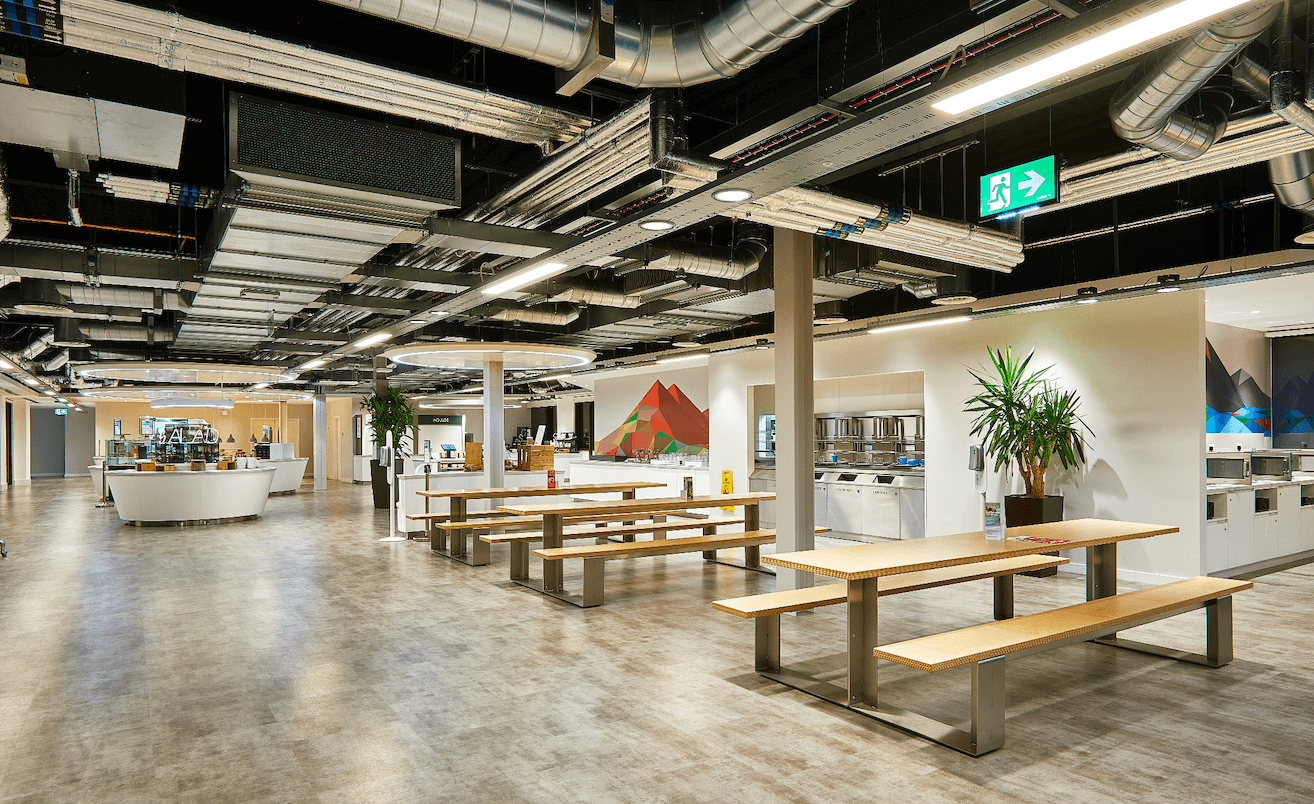
Modern workplaces need to support different styles of working. Some tasks require concentration and focused thinking Others depend on teamwork, discussion and knowledge sharing. Workplaces that recognise the importance of both focused and collaborative working are often better equipped to support employee productivity.
Creating a productive workplace is therefore about balance. Employees should have access to collaborative spaces when they need to work together, alongside quieter areas that support concentration and individual tasks.
The most effective workplaces provide flexibility, allowing employees to choose environments that best support the task at hand.
The Role of Technology in Office Productivity
Technology has become a fundamental part of the workplace experience. Employees expect workplace systems to function seamlessly, whether they are booking meeting rooms, connecting to video calls or accessing workplace services.
When technology works well, it supports efficiency and collaboration. When it does not, productivity can quickly suffer and cause major frustrations.
This is particularly important within hybrid working environments, where workplace technology often acts as the bridge between employees working remotely and those based in the office.
Organisations that invest in reliable workplace technology and well-integrated systems can help create a more seamless working experience, supporting employees wherever they are working from.
Practical Ways to Improve Office Productivity
Improving office productivity doesn’t always require significant investment or major workplace changes. Often, relatively simple improvements to the working environment and everyday workplace processes can make a meaningful difference.
Organisations can consider the following approaches:
- Create comfortable working environments: Ensure lighting, temperature, ventilation and cleanliness are maintained to support employee comfort and concentration.
- Reduce unnecessary distractions: Provide a balance of quiet working areas and collaborative spaces so employees can choose an environment that suits their tasks.
- Make workplace technology reliable: Ensure meeting room equipment, booking systems and workplace technology work effectively to avoid unnecessary interruptions.
- Simplify everyday processes: Make it easy for employees to access workplace support, report issues and use shared facilities.
- Prioritise responsive workplace services: Ensure cleaning, maintenance and front of house teams help maintain an environment that is welcoming, functional and ready for the working day.
These practical considerations can help organisations create more efficient workplaces, allowing employees to spend less time dealing with workplace frustrations and more time focusing on their responsibilities.
How Facilities Management Supports Productivity
Facilities management plays a direct role in creating productive workplaces.
Whilst FM is often associated with maintenance and compliance, it also helps ensure the workplace remains functional, comfortable and ready to support employees every day.
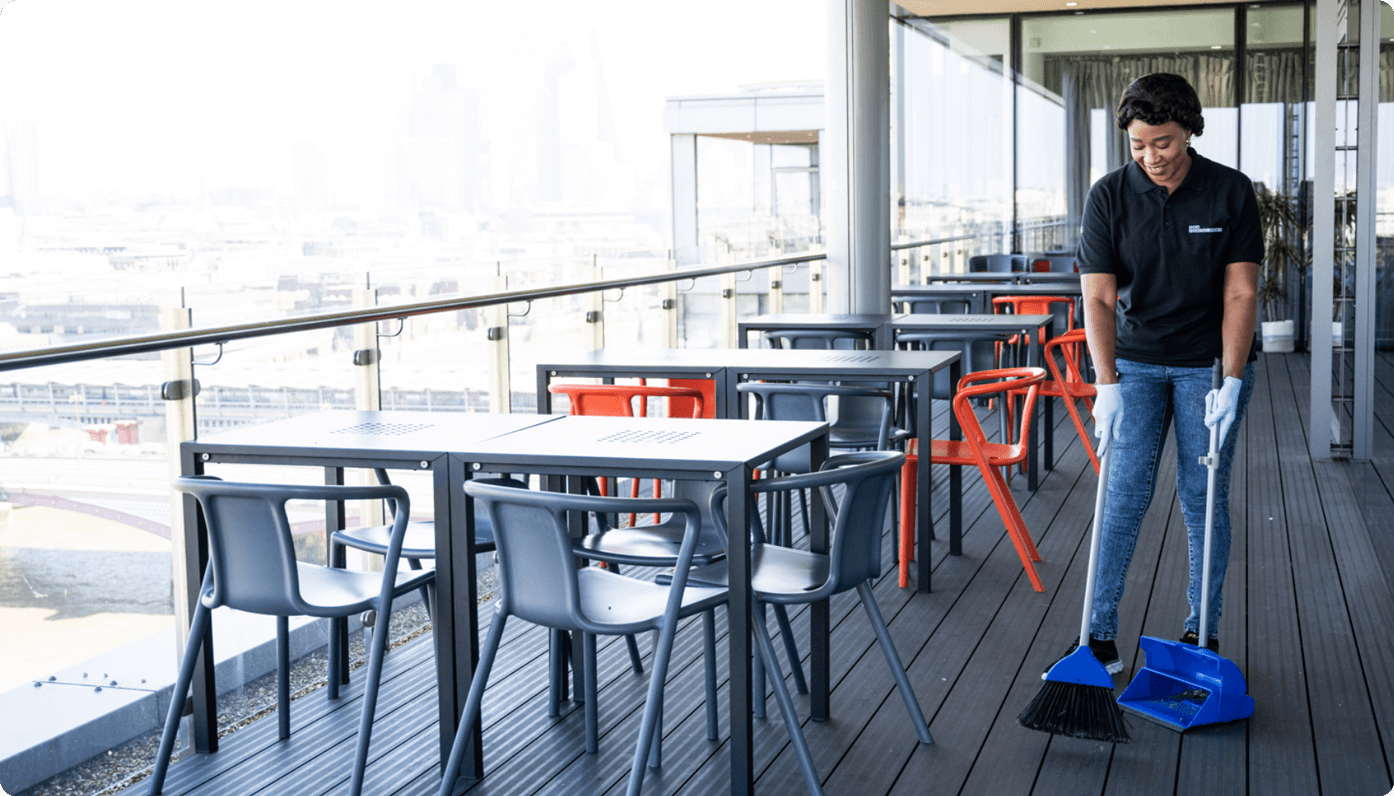
Cleaning standards, workplace support services, front of house teams and building and fabric maintenance all contribute to the employee experience. Together, these services help create environments where people can work efficiently and with minimal disruption.
At Anabas, we believe productive workplaces start with getting the fundamentals right. Our people-centric approach to facilities management focuses on delivering consistent, high-quality workplace services that support employees throughout their working day.
From maintaining welcoming, well-presented environments to ensuring workplace issues are resolved promptly, getting the everyday details right can make a meaningful difference to the overall workplace experience.
Creating Workplaces That Enable Performance
Improving office productivity is not about encouraging employees to work longer hours. It is about creating workplace environments that allow people to perform at their best within their core working hours.
By combining a positive workplace experience with effective facilities management, organisations can create environments that support employee wellbeing, productivity and collaboration.
Ultimately, productive workplaces do not happen by chance. They are created through thoughtful workplace design, reliable technology and the consistent delivery of services that put people first.
At Anabas, we understand the role that exceptional workplace experiences play in helping businesses and their people thrive.

Home
The Anabas Difference
Our Sectors
Careers
Meet The Team
News
White Papers
London Facilities Management
Gender Pay Gap Report
ESG Report
Modern Slavery Statement
Modern Slavery Policy
Privacy Policy
Cookie Policy
Accessibility
ISMS Policy
Terms & Conditions



38 Wigmore Street
London
W1U 2RU
Registered Number: 04669732
