
Small Decencies


Boutique FM
Fully Engaged
Brilliant Basics
Great Experiences
FM Technology
Great People
Advocacy
Right size, Right fit
Promises Delivered

 Building & Fabric Maintenance
Expert Mechanical and Electrical Services and Maintenance for Corporate Offices
Reception & Front Of House
Logistics & Office Services
Security
Catering
Cleaning & Environmental
Building & Fabric Maintenance
Expert Mechanical and Electrical Services and Maintenance for Corporate Offices
Reception & Front Of House
Logistics & Office Services
Security
Catering
Cleaning & Environmental
Financial Services
Professional Services
Media & Communications
Consumer Services
Science & Pharmaceutical
Technology



 Building & Fabric Maintenance
Expert Mechanical and Electrical Services and Maintenance for Corporate Offices
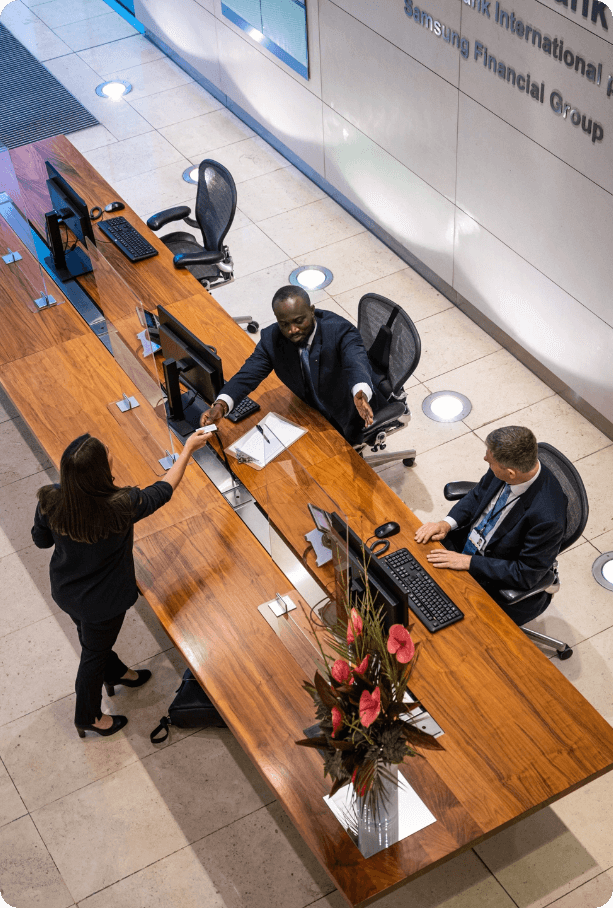
Reception & Front Of House
Logistics & Office Services
Security
Catering
Cleaning & Environmental
Building & Fabric Maintenance
Expert Mechanical and Electrical Services and Maintenance for Corporate Offices
Reception & Front Of House
Logistics & Office Services
Security
Catering
Cleaning & Environmental
Financial Services
Professional Services
Media & Communications
Consumer Services
Science & Pharmaceutical
Technology
Small Decencies
Boutique FM
Fully Engaged
Brilliant Basics
Great Experiences
FM Technology
Great People
Advocacy
Right size, Right fit
Promises Delivered
Solving the Midweek Office Surge in Hybrid Workplaces
July 10, 2026
Hybrid working has created a new challenge for corporate workplaces and facilities management teams, with office occupancy now far less predictable and often concentrated into a few busy days each week.
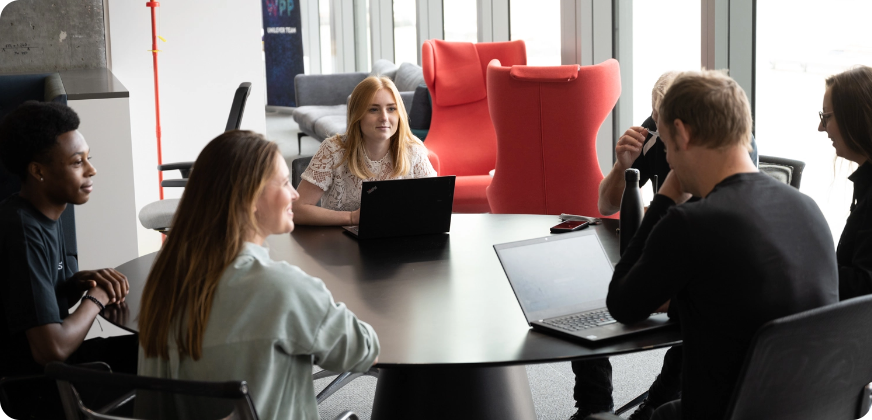
Walk into almost any corporate headquarters in London on a Tuesday morning, and the office is usually noticeably busier. Meeting rooms are often fully booked, the collaboration hubs are buzzing, and the front-of-house team is handling a steady flow of employees and visitors. By Friday, however, many offices feel considerably quieter.
This shift in occupancy has become a familiar feature in many offices. While hybrid working has given employees greater flexibility, it has also introduced new challenges for employers, particularly around managing office attendance throughout the week.
When large numbers of employees choose the same two or three days to come into the office, workplace operations and building services can quickly come under pressure. Instead of supporting collaboration, these busy periods can create frustration through limited desk availability, increased demand on communal spaces and added pressure on workplace technology. For employers, managing these peak occupancy periods has become an important part of creating a successful workplace strategy.
The Hidden Friction of Flawed Hybrid Work Management
When organisations first transitioned to hybrid working, the main focus was often on attendance policies and schedules, rather than how the workplace itself would operate during peak occupancy periods.
Without an agile hybrid work management framework, businesses suffer from distinct friction points:
- The Collaboration Gridlock: Teams arrive at the office to brainstorm, only to find all multi-use project spaces and boardrooms occupied, forcing them back onto video calls at their desks.
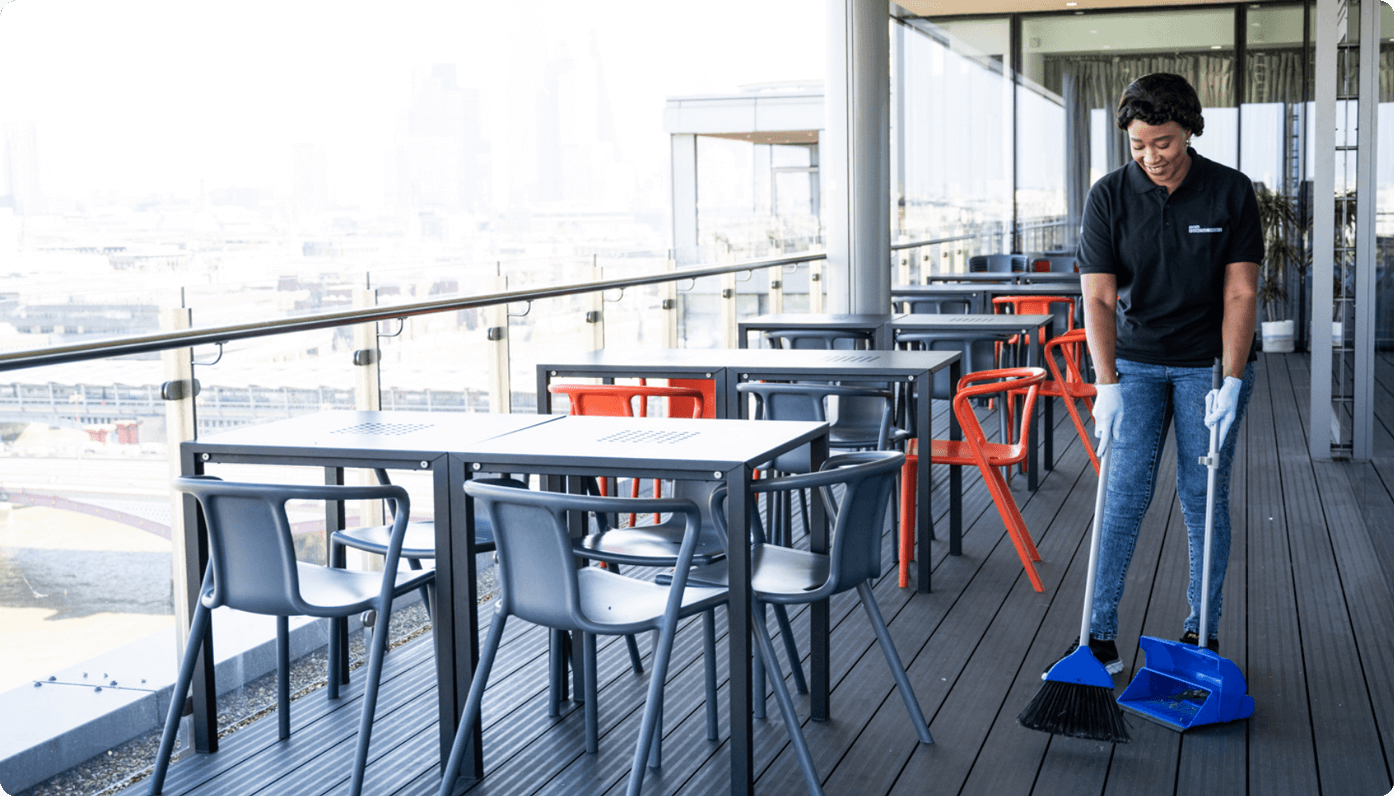
- Overstretched Soft Services: Peak office days can place added pressure on workplace services, from busy reception areas to increased demand on cleaning, meeting spaces and communal facilities.
- Reactive Environments: Indoor air quality and temperature can fluctuate when a floorplate shifts from 15% occupancy on a Monday to 90% on a Wednesday.
If the workplace feels overcrowded or uncomfortable on the days employees choose to come in, the value of the commute can quickly be lost.
Data and Design: Moving from Static Management to Responsive Operations
Overcoming the midweek surge requires a shift from guesswork to data-driven occupancy patterns. Effective hybrid working management relies on understanding exactly how your teams interact with the workplace layout across the entire week.
More businesses are now using smart building technology to better understand how their offices are being used day to day. Tools such as occupancy sensors and footfall tracking can provide real-time insight into which areas are busiest and when.
This information helps facilities teams respond more effectively instead of following the same routine every day. For example, if certain floors are consistently busiest between Tuesday and Thursday, heating, ventilation, and air conditioning can automatically adjust to keep the space comfortable. Cleaning teams can also focus more attention on high-traffic areas during peak times, helping the office stay clean and welcoming throughout the day.
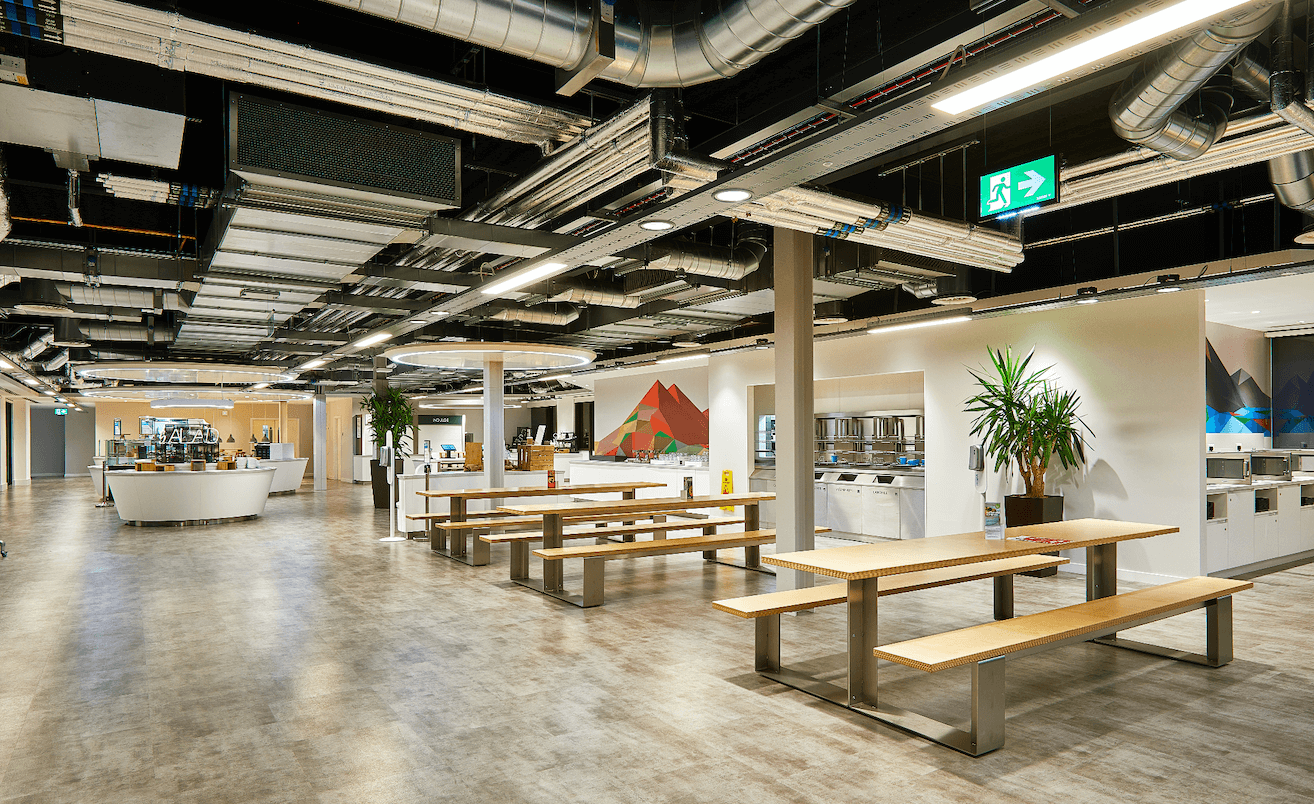
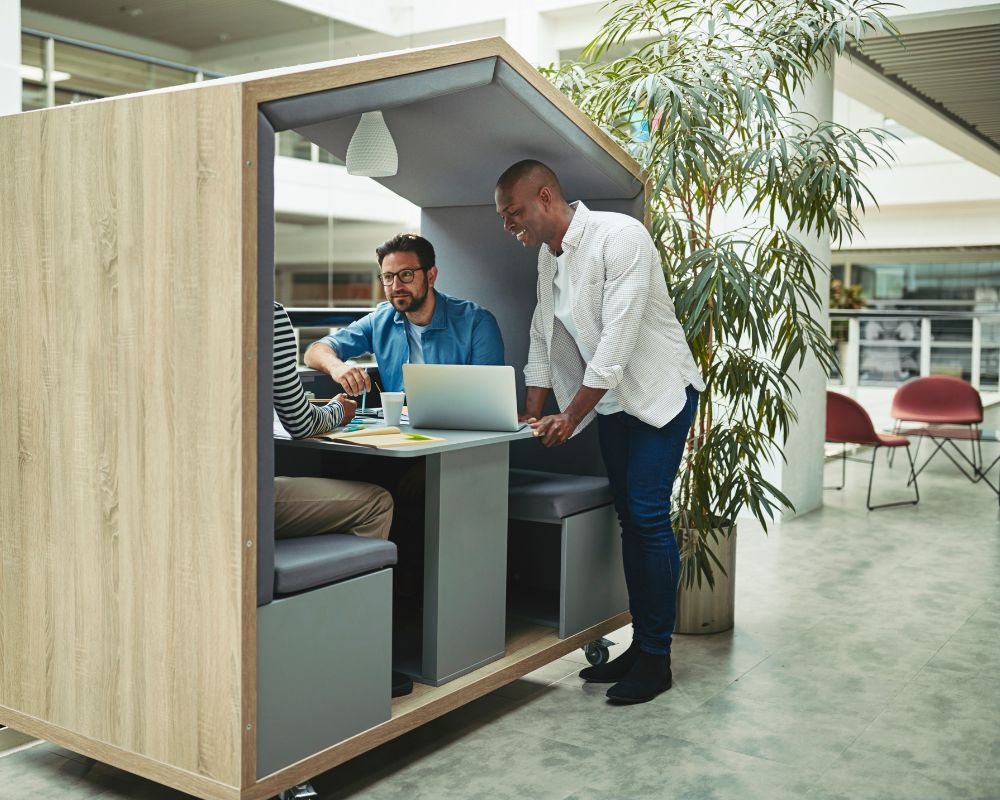
Office design is changing too. The answer to busier mid-week periods is not always finding more space but using existing space more flexibly. Replacing fixed desks with adaptable work areas and collaboration spaces allows offices to comfortably accommodate more people when attendance is higher.
How to Manage Hybrid Work Teams Seamlessly During Peaks
Managing busy office days is not just about the building itself, it also requires good planning and communication. Managers need the right tools and visibility to help teams coordinate when they come into the office.
One of the biggest causes of overcrowded days is simply a lack of awareness. If employees cannot see when colleagues are planning to be in, teams often end up choosing the same days without realising. Simple desk and meeting room booking systems can help give employees a clearer picture of office occupancy before they travel in.
Many organisations are also introducing additional on-site support to help busy days run more smoothly. Through services delivered by Anabas, floor captains provide a visible point of contact within the workplace, helping employees with everything from setting up meeting spaces to resolving day-to-day issues quickly. Having dedicated support on hand helps reduce disruption and keeps the workplace running efficiently during peak periods.
How Anabas Supports Hybrid Workplace Performance
The office should never feel like a barrier to productivity, no matter how busy it becomes. Achieving this requires a facilities management partner that understands how workplace demands shift and can adapt services accordingly.
At Anabas, we support corporate workplaces by ensuring the brilliant basics are delivered consistently, even during the busiest periods. From front-of-house and reception services to responsive workplace and technical support, we help create environments where employees can work productively and comfortably every day.
If mid-week office peaks are creating challenges for your business, our team can help you build a more agile workplace experience that supports both your people and your workplace operations.

Home
The Anabas Difference
Our Sectors
Careers
Meet The Team
News
White Papers
London Facilities Management
Gender Pay Gap Report
ESG Report
Modern Slavery Statement
Modern Slavery Policy
Privacy Policy
Cookie Policy
Accessibility
ISMS Policy
Terms & Conditions



38 Wigmore Street
London
W1U 2RU
Registered Number: 04669732
