


Small Decencies


Boutique FM
Fully Engaged
Brilliant Basics
Great Experiences
FM Technology
Great People
Advocacy
Right size, Right fit
Promises Delivered
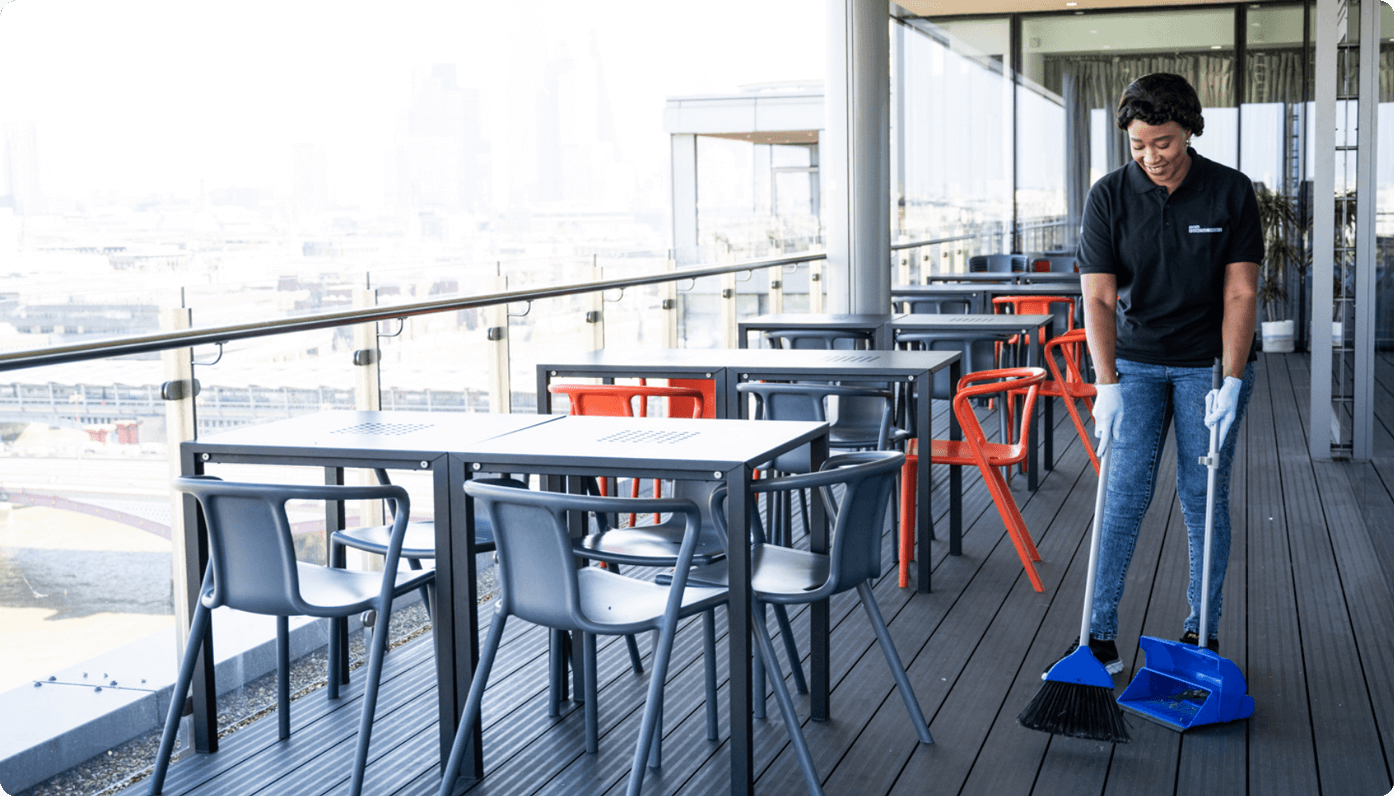

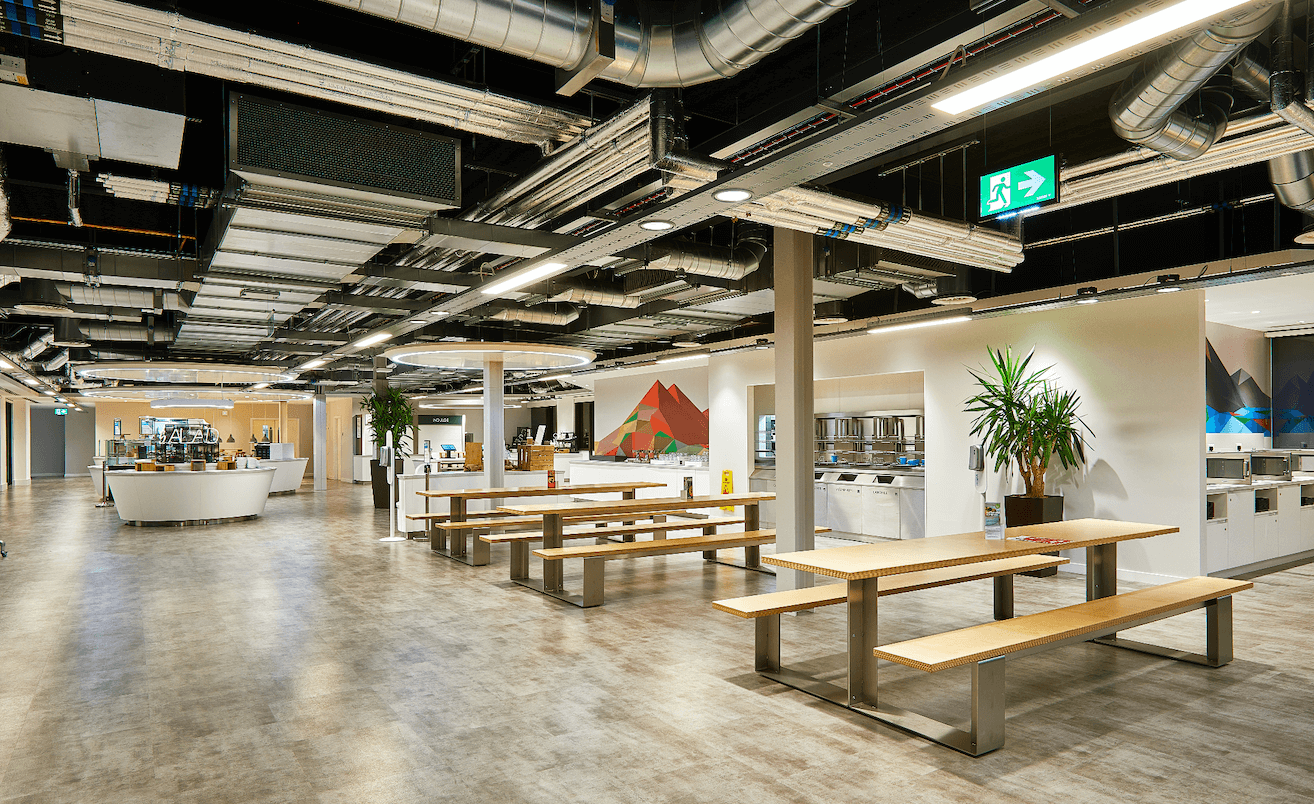

 Building & Fabric Maintenance
Expert Mechanical and Electrical Services and Maintenance for Corporate Offices
Reception & Front Of House
Logistics & Office Services
Security
Catering
Cleaning & Environmental
Building & Fabric Maintenance
Expert Mechanical and Electrical Services and Maintenance for Corporate Offices
Reception & Front Of House
Logistics & Office Services
Security
Catering
Cleaning & Environmental
Financial Services
Professional Services
Media & Communications
Consumer Services
Science & Pharmaceutical
Technology
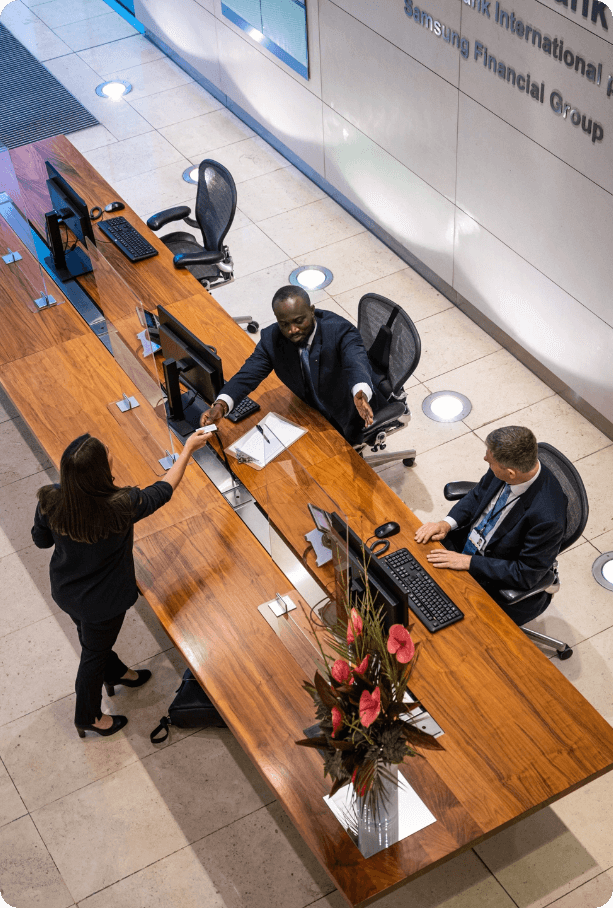


 Building & Fabric Maintenance
Expert Mechanical and Electrical Services and Maintenance for Corporate Offices
Reception & Front Of House
Logistics & Office Services
Security
Catering
Cleaning & Environmental
Building & Fabric Maintenance
Expert Mechanical and Electrical Services and Maintenance for Corporate Offices
Reception & Front Of House
Logistics & Office Services
Security
Catering
Cleaning & Environmental
Financial Services
Professional Services
Media & Communications
Consumer Services
Science & Pharmaceutical
Technology
Small Decencies
Boutique FM
Fully Engaged
Brilliant Basics
Great Experiences
FM Technology
Great People
Advocacy
Right size, Right fit
Promises Delivered

Hybrid vs Remote Work: Creating a Workplace Strategy That Actually Works for Your Business
June 10, 2026
For UK business owners and corporate leaders, the question of where our teams perform best has really started to change. We are no longer reacting to emergency mandates or experimenting with temporary measures. Instead, leadership teams across London and the South East are auditing their real estate, analysing productivity, and trying to decipher the true operational distinction between a fully remote vs a hybrid work model.
But as search trends and corporate boardrooms reflect a deepening debate around remote vs hybrid work, it’s clear that the conversation has shifted. It is no longer just about operational metrics; it is about human intent.
When people look at hybrid working vs remote working, they aren’t just comparing layout plans or calendar schedules; they are trying to understand how to design an environment that balances commercial growth with employee autonomy.
For employers, the goal is simple: if employees are commuting to the office, the workplace must provide an experience they cannot replicate at home.
Remote vs Hybrid Work: What Does This Actually Mean?
To understand why this decision matters, it is important to understand the difference between remote and hybrid working models.
At a basic level, the difference is straightforward:
- Remote work removes the requirement for a central physical workplace
- Hybrid work combines home working with structured in-office collaboration
However, in practice, the implications are far more complex.
A fully remote model removes the physical connection between employees and the workplace. Whilst this can reduce real estate overheads, it can also create challenges around company culture, communication, collaboration and employee engagement over time.
By contrast, a hybrid model combines the flexibility of home working with the benefits of a shared workplace environment. Whilst focused individual work may be suited to home working, the office continues to play an important role in collaboration, mentoring, team culture and innovation.
Managing the Workplace in a Hybrid Working Model
Creating a successful hybrid workplace is about far more than simply asking employees to attend the office a few days per week. Whilst remote collaboration tools offer flexibility, many organisations still recognise the value of face-to-face interaction. To encourage employees back into the workplace, the office environment itself must deliver a consistently positive experience. This is where strategic facilities management becomes increasingly important, helping organisations create workplaces that support productivity, wellbeing and collaboration.
In practice, this means workplaces must be able to adapt quickly to changing occupancy levels and patterns throughout the week. Meeting room technology must function seamlessly, workplace environments need to remain clean, comfortable and well maintained, and support services must respond efficiently to fluctuating demand.
For many organisations, peak office attendance is now concentrated across mid-week periods, placing greater pressure on meeting spaces, front of house teams, cleaning schedules and wider workplace services. Facilities management teams therefore need to operate with greater agility, supported by responsive helpdesk functions, planned maintenance programmes and real-time operational oversight.
For organisations operating hybrid working models, facilities management plays a direct role in shaping the employee experience, supporting collaboration, productivity and overall workplace satisfaction.
The Role of FM in Supporting Hybrid Working
Ultimately, hybrid working only succeeds when the workplace itself supports collaboration, productivity and day-to-day employee experience.
At Anabas, we support several hybrid working environments across corporate office portfolios and understand the operational demands that come with fluctuating occupancy levels and evolving workplace expectations. Through integrated service delivery and responsive operational support, we help clients maintain consistent workplace standards across their office environments.
Get in touch with our team to find out how Anabas can support your workplace strategy.

Home
The Anabas Difference
Our Sectors
Careers
Meet The Team
News
White Papers
London Facilities Management
Gender Pay Gap Report
ESG Report
Modern Slavery Statement
Modern Slavery Policy
Privacy Policy
Cookie Policy
Accessibility
ISMS Policy
Terms & Conditions



38 Wigmore Street
London
W1U 2RU
Registered Number: 04669732
