


Small Decencies


Boutique FM
Fully Engaged
Brilliant Basics
Great Experiences
FM Technology
Great People
Advocacy
Right size, Right fit
Promises Delivered

 Building & Fabric Maintenance
Expert Mechanical and Electrical Services and Maintenance for Corporate Offices
Reception & Front Of House
Logistics & Office Services
Security
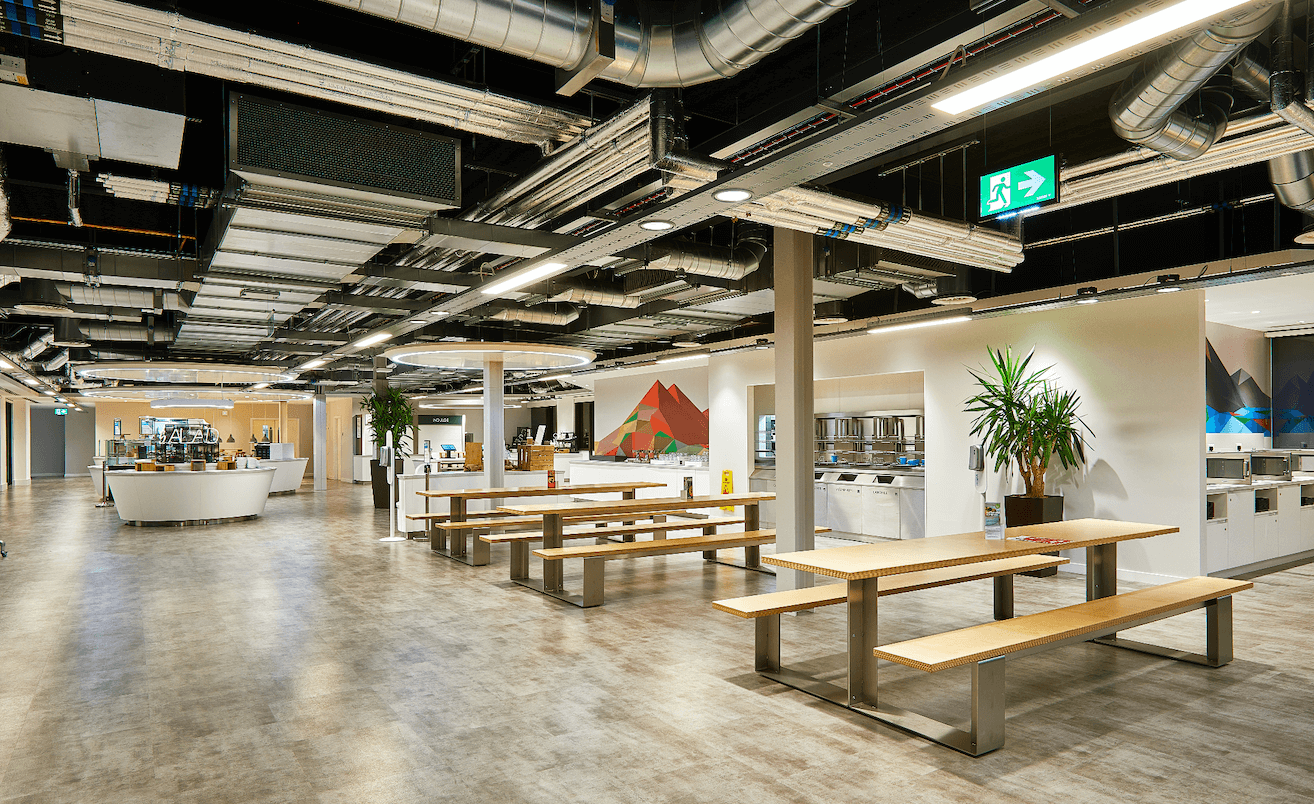
Catering
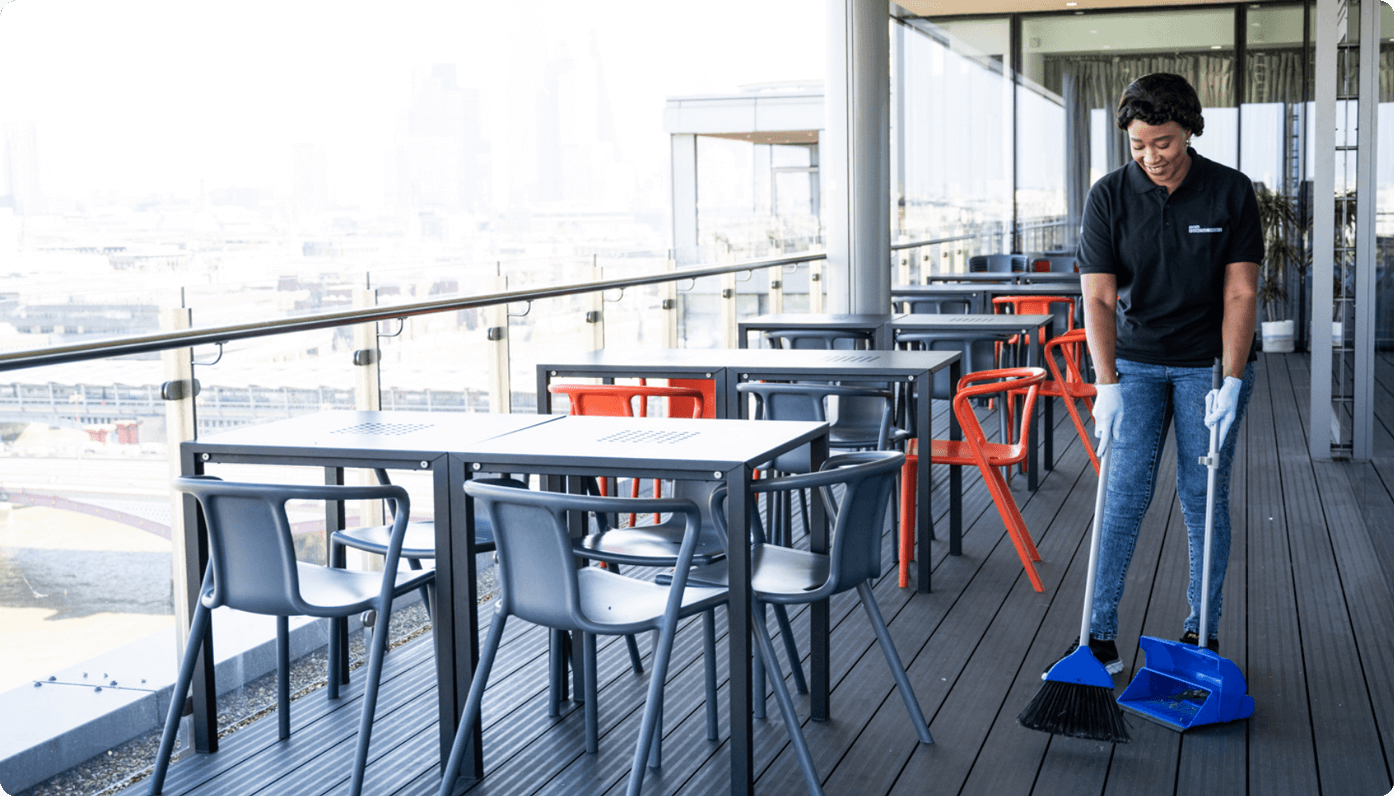
Cleaning & Environmental
Building & Fabric Maintenance
Expert Mechanical and Electrical Services and Maintenance for Corporate Offices
Reception & Front Of House
Logistics & Office Services
Security
Catering
Cleaning & Environmental
Financial Services
Professional Services
Media & Communications
Consumer Services
Science & Pharmaceutical
Technology

 Building & Fabric Maintenance
Expert Mechanical and Electrical Services and Maintenance for Corporate Offices
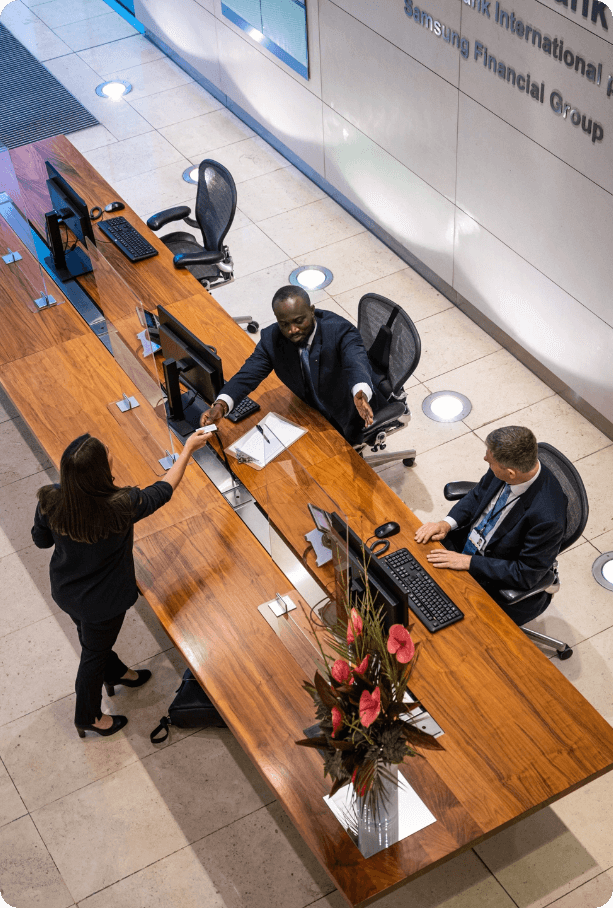
Reception & Front Of House
Logistics & Office Services
Security
Catering
Cleaning & Environmental
Building & Fabric Maintenance
Expert Mechanical and Electrical Services and Maintenance for Corporate Offices
Reception & Front Of House
Logistics & Office Services
Security
Catering
Cleaning & Environmental
Financial Services
Professional Services
Media & Communications
Consumer Services
Science & Pharmaceutical
Technology
Small Decencies
Boutique FM
Fully Engaged
Brilliant Basics
Great Experiences
FM Technology
Great People
Advocacy
Right size, Right fit
Promises Delivered

Appropriate Office Attire: What Does “Dressed for Success” Mean Today?
February 19, 2026
Knowing what counts as appropriate office attire today is very different from a few years ago. The traditional idea of being ‘dressed for success’ and following a fixed dress code has shifted toward something more flexible, inclusive, and role-specific.
With over 25 years of experience in facilities management, I’ve seen this transition firsthand. Office wear now balances professionalism with comfort and personal style, covering everything from traditional business suits to polished office-casual outfits. Today, appropriate attire is about supporting employees to look professional while feeling comfortable and prepared for their work.
This shift affects everyone in the workplace. Employees are opting for smarter, more relaxed outfits that still feel professional. Younger workers entering the office for the first time often expect more flexibility and place a high value on authenticity. Many businesses now tailor their office dress codes to suit different roles, enabling staff to balance professionalism with safety, comfort, and practicality.
As organisations focus more on wellbeing, sustainability, and inclusivity,, the definition of appropriate office attire continues to evolve. The question is no longer simply what is “appropriate” – it’s what helps people feel confident, safe, and ready to perform at their best.
From Formal to Flexible: How Office Attire Has Changed
Over the past few decades, the traditional office dress code has undergone a remarkable transformation. Where once office-appropriate attire meant stiff suits, ties, and polished shoes, workplaces today embrace flexibility and inclusiveness. This isn’t just about comfort; it reflects changing attitudes toward professionalism, individuality, and workplace culture.
The pandemic accelerated this shift. Remote work challenged conventional ideas of office wear, and as teams returned to physical offices, a hybrid style emerged. Tailored trousers with smart shoes and elegant dresses without heels became widely accepted.
Even industries traditionally associated with strict business wear, such as finance and law, have relaxed their rules, allowing employees more freedom to express personal style while staying professional.
This transition affects everyone:
- Women now have a wider range of office dress code options, including chic separates, blazers with trousers or skirts, and business-casual dresses that balance professionalism and comfort.
- Men are increasingly moving away from formal suits, adopting smart-casual looks such as chinos, button-down shirts, or knitted jumpers with polished shoes.
- Younger employees often embrace modern interpretations of office attire, mixing classic pieces with contemporary trends while still keeping a professional appearance.
Personally, as someone who prefers a more casual look, I’ve fully embraced this new, more comfortable definition of being dressed for success.
Why Office Dress Codes Still Matter
Clients often tell us that flexible dress codes really help with workplace satisfaction and overall effectiveness.
Even with more relaxed styles, guidelines still play a key role. They set expectations, help employees feel confident, and maintain a professional image for clients and colleagues. Knowing what appropriate office attire is makes daily choices easier and reduces uncertainty.
Clear dress codes also support inclusivity. Younger employees may prefer modern, casual looks, while others may interpret office wear differently. A well-defined office dress code ensures everyone can present themselves professionally while staying true to their style.
Ultimately, dress codes balance personal expression with workplace cohesion and professionalism.
Understanding the Nuances of Your Role or Industry
Not every role has the same dress expectations. For some jobs, appropriate office attire is essential for safety or professionalism. Engineers need clothing that protects them on site, while corporate staff meeting clients may benefit from more formal business wear.
Knowing your industry’s standards helps you choose the right workwear without guessing.
Here are some quick tips to keep in mind:
- Know your role: Certain positions require specific clothing for safety or professionalism.
- Dress for the occasion: Meetings with clients or senior leaders may call for a more formal look.
- Incorporate personal style: Subtle accessories or tailored pieces can show personality while staying professional.
- Observe peers: See how colleagues interpret the office dress code; it’s a good guide for appropriateness.
- Comfort matters: Ensure clothing allows you to work confidently throughout the day.
Flexibility is key. When employees can balance guidelines with personal style, they feel comfortable, confident, and ready to focus on their work rather than worrying about their clothes.
Appropriate Office Attire: What to Wear and What to Avoid
Modern workplaces are more flexible, but understanding appropriate office attire is key to feeling confident and professional. The focus should be on your role, the culture, and context rather than gender.
What to wear:
- Tailored trousers, skirts, or dresses that are knee-length or longer
- Shirts, blouses, or tops that are neat and professional
- Closed-toe shoes, professional flats or heels suitable for the office
- Minimal, tasteful accessories
What to avoid:
- Extremely short skirts or dresses
- Low-cut tops or clothing that is too casual, such as ripped jeans or crop tops
- Overly flashy or distracting accessories
- Football or sporting shirts
Tips for all employees:
- Observe the office culture to understand the expected level of formality
- Layering can help balance comfort with professionalism
- Dress for the occasion; client meetings may require more formal attire than internal workdays
- Personal style is fine, but it should stay within the bounds of appropriate office attire
Sustainability and Smart Choices in Workwear
Sustainability is becoming a key factor in modern fashion. Many workplaces are encouraging employees to make eco-friendly choices without compromising professionalism or comfort. Choosing clothing made from ethically sourced or recycled materials reduces environmental impact while remaining office- appropriate.
Sustainable choices show employees that professional, comfortable, and environmentally responsible clothing is possible. They also support a positive workplace culture where employees feel empowered to make mindful choices within the office dress code.
At Anabas, we promote eco-friendly and sustainably sourced workwear and support brands that follow ethical production practices.
We encourage dressing for the weather to save energy, heating or cooling in the office and boost comfort. Small adjustments make a workplace more sustainable and pleasant for everyone.
Our goal is to create a workplace that’s both comfortable and green, showing that sustainable practices can easily fit into everyday work life.
Balancing Professionalism, Comfort and Personal Style
Being dressed for success today isn’t just about following rules. It’s about feeling confident, comfortable, and professional in your role. Understanding your office culture and dress code helps you focus on work rather than worrying about what to wear.
As someone who’s seen it all, I can say with certainty that these changes are for the better. At Anabas, we help our clients navigate these new norms, creating workplaces where everyone can thrive.
At the end of the day, the right wardrobe helps you perform at your best. Take a moment to review your office wardrobe and make smarter choices that reflect your personal style while meeting the dress code.
For more insights on workplace culture, check our news page or follow Anabas on LinkedIn for more facilities management insight.

Home
The Anabas Difference
Our Sectors
Careers
Meet The Team
News
White Papers
London Facilities Management
Gender Pay Gap Report
ESG Report
Modern Slavery Statement
Modern Slavery Policy
Privacy Policy
Cookie Policy
Accessibility
ISMS Policy
Terms & Conditions



38 Wigmore Street
London
W1U 2RU
Registered Number: 04669732
